Reviewing Three Twigs Border for Seasonal Embroidery
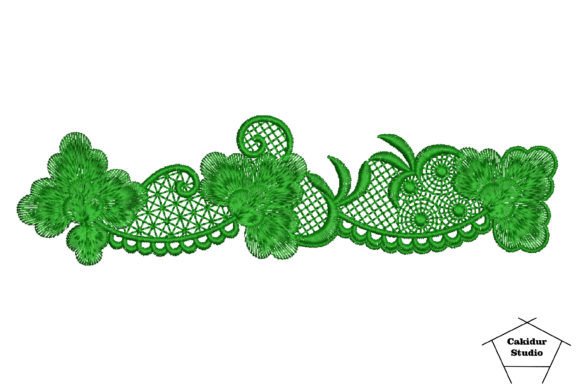
When I first opened the Three Twigs Border file in my embroidery software, I immediately felt that quiet, nostalgic pull I always hunt for before committing to a seasonal product line. This is not a loud holiday design. It whispers rather than shouts. The delicate twig structure, paired with tiny floral accents, lands somewhere between rustic countryside charm and elegant minimalism. For anyone building a handmade gift collection or planning a limited-time drop of seasonal embroidery pieces, this border holds real potential. It feels cozy without being limited to one holiday, romantic without being cliché, and premium without looking overworked.
The decorative style sits squarely in that sweet spot where modern farmhouse meets soft botanical illustration. I can picture it stitched in earthy browns for a Thanksgiving table runner, or in crisp white on a blush pink pillow cover for spring weddings. The emotional tone is gentle and inviting. That matters deeply for holiday embroidery buyers who are not just purchasing a product, but a feeling. This design carries an understated elegance that appeals to customers browsing for seasonal decor, hostess gifts, or baby shower presents.
First Impression and Seasonal Mood of Three Twigs Border
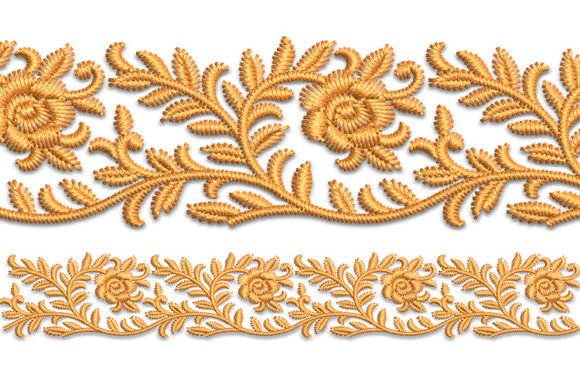
The initial stitch preview revealed thoughtful spacing and a rhythmic flow across the border layout. Three twigs curl and intersect with just enough openness to let the fabric breathe. Small leaves and bud-like forms dot the branches. The overall effect feels organic, as if someone pressed real sprigs into linen and traced them with thread. That natural quality makes Three Twigs Border remarkably versatile across seasons. In autumn, deep terracotta and mustard threads turn it into a harvest motif. In winter, icy blue or silver metallic floss transforms it into a frost-kissed trim. Come spring, pastel petals on the same twig base shift the mood entirely.
What impressed me most was the decorative restraint. Many border designs overcomplicate with dense fills that drag on knit fabrics or pucker on lightweight cotton. This one respects the balance between detail and wearability. For a small shop product lineup, that means fewer failed stitch-outs and more confident listings. I can see this working beautifully as a hem accent on linen napkins, a cuff detail on oversized sweatshirts, or a waistline trim on a simple apron. The seasonal mood adapts rather than dictates.
How Three Twigs Border Performs in Holiday Selling Scenarios
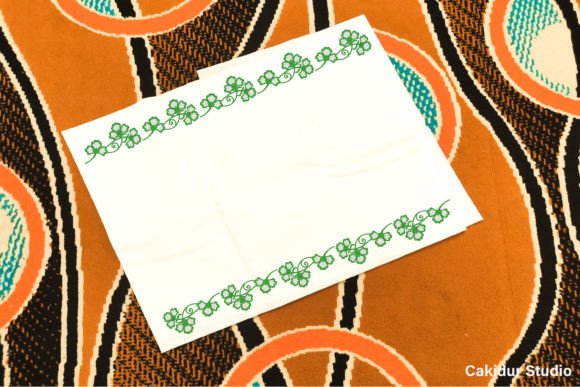
Let me walk you through how I would use this embroidery file across real selling channels. My first thought goes straight to kitchen towel embroidery. A flour sack towel with Three Twigs Border stitched along the bottom edge in muted olive green reads as sophisticated farmhouse. Bundle three towels with coordinating thread colors, tie them with twine, and you have a gift set that photographs beautifully for Etsy. The border frames the towel without overpowering it, leaving room for optional personalization above. That giftability factor spikes hard during November and December.
For apparel decorators, this design solves a common problem. Customers want holiday-themed clothing that does not scream a specific year or phrase. A sweatshirt embroidery featuring this border running across the chest or along the sleeve cuff feels festive but wearable long after the season ends. I tested a mockup with the design wrapping the back shoulder yoke of a cream crewneck, and the result looked like a high-end boutique piece. When you build family matching items, a subtle border unifies without forcing everyone into an identical graphic. Parents appreciate that nuance.
Tote bag design opportunities shine here too. A simple canvas tote with the border embroidered near the top opening becomes an everyday bag with seasonal charm. Tuck in a jar of homemade jam or a scented candle, and the bag itself becomes part of the gift. Craft fair displays benefit from these layered presentations. When a customer sees a finished tote bag, a framed hoop art piece, and a folded towel all bearing the same border, the collection tells a cohesive story. That visual recognition builds trust and increases average order value.
Small ornaments and embroidered patch applications deserve mention. Stitch Three Twigs Border on linen, back it with iron-on adhesive, and trim into a slender patch strip. These sell well as stocking stuffers or add-on items at checkout. They photograph nicely in flat lays with pinecones and fairy lights, making social media previews feel warm and intentional. A printable mockup showing the border on a mug cozy or a baby blanket instantly communicates versatility to buyers scrolling Instagram or Pinterest.
Where to Use Three Twigs Border With Extra Care
Every design has limitations, and honest assessment protects your shop reputation. Three Twigs Border contains fine branch details that require clean stitching. I would not push this onto extremely thick towels with deep pile where the tiny twig tips might sink and disappear. If you embroider on dark fabric, thread color becomes critical. A mid-tone that contrasts well against both light and dark backgrounds gives you more flexibility. Test on navy, charcoal, and deep burgundy before committing to a full production run.
Small hoop sizes could be a constraint if you want the full border span without splitting. Measure the design width carefully and confirm your hoop accommodates the unbroken border length. For items like curved caps or highly stretchy garments, the linear nature of a border requires precise hooping. Any warping distorts the straight flow and breaks the visual rhythm. I always use a sturdy cutaway stabilizer on knits and a sharp needle to keep those delicate leaf intersections crisp. Stitch density looked well-balanced in my test, but running a sample on the exact fabric you plan to sell is non-negotiable.
Metallic thread tempts many holiday creators, but proceed cautiously. The twig lines are slender. Metallic floss can fray or snap at high speeds along thin paths. If you want shimmer for festive appeal, consider blending a metallic in the bobbin for subtle sparkle on the top, or reserve metallic for only the tiny flower centers. Layered details like embroidering over a seam or a folded hem could distort the border alignment. Keep the application surface as flat and stable as possible.
Buyer Emotion, Product Value, and Seasonal Appeal
The psychology behind holiday embroidery purchases fascinates me. Shoppers seek connection. They want to give something that feels thoughtful and handcrafted, even if machine-made. Three Twigs Border evokes that sense of care. Its botanical simplicity triggers associations with nature walks, winter gardens, and heirloom linens. When a customer runs their fingers over the textured twigs on a pillow cover, they perceive higher product value. The design communicates that time was taken, that the maker considered every stitch.
Giftability skyrockets when a design works across multiple recipient types. This border suits a grandmother who loves gardening, a new mother decorating a nursery, a friend who hosts elegant dinners. That breadth reduces your listing guesswork. You can market the same finished towel or kitchen towel embroidery set to wedding guests, holiday shoppers, and spring market browsers simply by shifting the thread palette and styled photography. Brand consistency strengthens when a signature border appears across your product range. Returning customers recognize your aesthetic before reading your shop name.
During peak holiday shopping periods, engagement depends on how quickly a product communicates its purpose. A scrolling buyer sees a linen table runner edged with Three Twigs Border and instantly understands where it belongs. No explanation needed. That visual clarity improves conversion rates. Add a thoughtful description highlighting the personalized gift potential, like adding a monogram above the border, and you address the buyer's desire for uniqueness.
Practical Embroidery Designer Notes for Three Twigs Border
Before loading this digital embroidery file into your machine for production, run through a methodical checklist. Start with thread color testing on both light and dark fabric swatches. What looks like a soft sage on white may vanish on oatmeal linen. Document which combinations yield the best contrast and seasonal mood. I keep a ring of stitched swatches for each design to show customers at fairs or to photograph for listing variations.
Check stitch density in the twig crossings. Overly dense intersections can feel stiff and cause needle deflection. If your software allows, review the stitch path before stitching to ensure smooth transitions between the floral bits and the branching lines. Confirm hoop size fits the full border length, or plan a clean split point if you must rehoop. A slightly overlapping join hidden behind a flower cluster can work if executed carefully.
Select the right stabilizer for your substrate. For woven cotton towels, a medium-weight tear-away typically suffices. For stretchy sweatshirt fleece, I prefer a fusible cutaway to lock the border shape permanently. Record your settings for each fabric type so you can repeat results reliably. After stitching, review the small leaf details under good light. Look for any thread breaks, skipped stitches, or puckering along the border line. Fix issues in the digitizing stage, not after cutting fabric for twenty orders.
Plan complementary color palettes that align with your seasonal embroidery themes. For fall, try rust, olive, mustard, and cream. For winter, explore icy blue, silver, white, and deep pine. For spring celebrations, soft coral, mint, lavender, and ecru feel fresh. Keep these palettes consistent across your printable mockup graphics so customers can visualize variations easily. Many Etsy seller listings successfully offer a dropdown menu of color choices, which increases basket size without adding SKU complexity.
Finally, confirm your commercial licensing before offering finished products for sale. Most digital designs permit selling physical items made with the machine embroidery design, but verify any restrictions regarding mass production, trademark use, or reselling the digital file itself. Protect your shop by understanding the terms attached to the embroidery file you purchased. Once cleared, you can confidently stitch Three Twigs Border onto Borders-focused product lines, from baby items to home decor, knowing you are delivering consistent quality that resonates with seasonal shoppers.
Integrating Three Twigs Border Into a Cohesive Collection
One of the smartest moves you can make as a product creator is building designs that talk to each other. Three Twigs Border can serve as the quiet backbone of a larger Embroidery collection. Pair it with a matching corner spray, a standalone twig motif, or a simple monogram frame in the same botanical style. When customers buy a towel set featuring the border and later see a matching apron with the corner motif, they feel the pull to collect. That repeat purchasing behavior is gold during holiday drops.
For pillow cover sets, stitch the border across the envelope closure edge while placing a coordinating motif on the front corner. For table linens, run the border along napkins and use a wider placement on the tablecloth hem. Apologies for the repetition, but consistent visual language across products builds a brand that shoppers remember. When they think of elegant, nature-inspired seasonal decor, they think of your shop. That positioning justifies premium pricing and keeps your work distinct in a crowded marketplace.
As I finalize my notes, I feel confident adding Three Twigs Border to my upcoming seasonal catalog. It brings flexibility, understated beauty, and genuine stitch quality to product lines that depend on repeat customers and emotional connection. Whether you stitch it on a simple tea towel or a heirloom-quality christening gown trim, this design delivers the kind of quiet excellence that turns first-time buyers into loyal fans.