Border Embroidery Design: Elegant Floral Review for Holiday
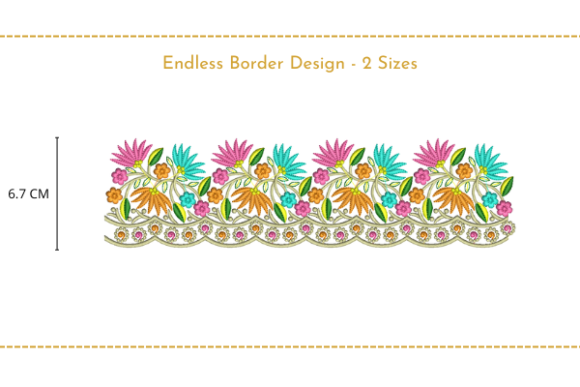
Every year as the holidays approach, I search for a machine embroidery design that can effortlessly lift a simple product into something that feels intentional, giftable, and emotionally resonant. The Border design does exactly that. When I first opened the digital embroidery file and saw the delicate, scrolling floral lines, I immediately pictured it on linen table runners, plush velvet pillow covers, and soft cotton kitchen towels bundled for a winter market. It is elegant, airy, and undeniably floral without feeling outdated or overly traditional. That balance is rare.
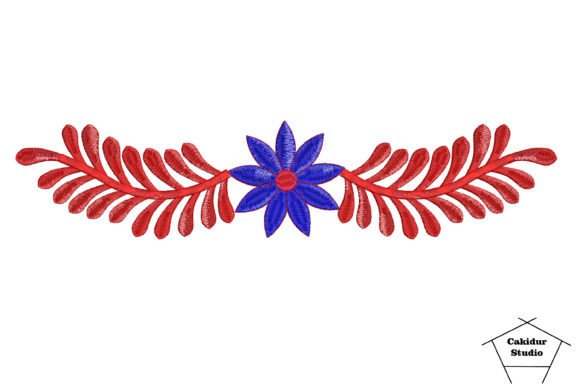
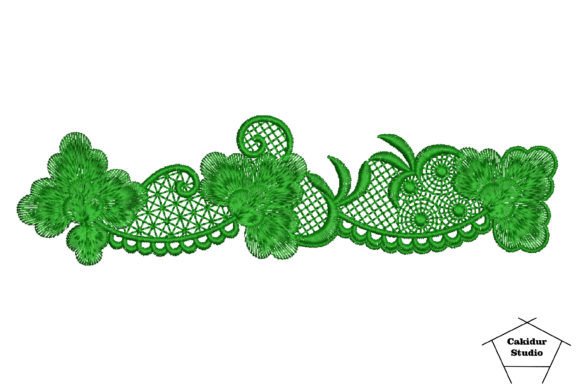
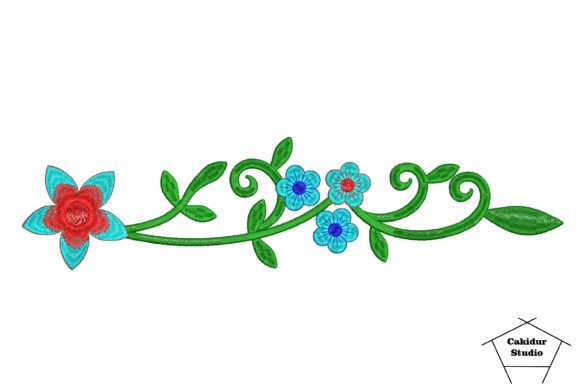
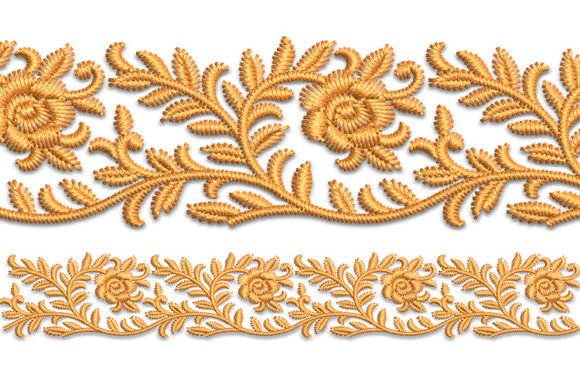
What struck me most is the quiet restraint of the composition. The border flows like a gentle vine, with leaves and blossoms spaced just enough to let the fabric breathe. This is not a heavy, solid satin-stitch border that weighs down a garment. It feels lightweight, almost like a hand-drawn sketch translated into thread. For a holiday collection, that means you can layer it with other seasonal motifs or let it stand alone as a refined frame on a gift-ready piece. The emotional tone leans romantic and cozy, with a touch of nostalgia — the kind that makes a customer imagine a farmhouse Christmas or a spring celebration table set for Easter brunch.
Because the Border design arrives with multiple embroidery file formats, I could immediately test it on different machines without conversion headaches. This is a practical relief for any small shop owner juggling orders. The file compatibility opens doors for everything from a single-needle home embroiderer personalizing a handmade gift to a commercial embroidery shop producing a limited-edition holiday apparel line.
First Impression and Seasonal Mood
Right out of the digital envelope, this design reads as modern romance meets heirloom charm. The floral elements are stylized — think graceful arcs rather than realistic botanicals — which gives it versatile seasonal appeal. For autumn and winter holidays, I stitch it in deep garnet, forest green, or shimmering gold thread on creamy linen, and it instantly becomes a Christmas or Thanksgiving staple. Shift to pastel pinks, sage, or lavender on white cotton, and you have a fresh spring celebration piece that works for Easter, Mother’s Day, or bridal showers. That chameleon quality is exactly what I want when building a product line that needs to carry a small business through several selling seasons without constantly purchasing new embroidery files.
The decorative style edges toward premium but not untouchable. It feels elegant enough for a bride’s handkerchief yet friendly enough for a toddler’s dress border. The detail level is intricate enough to catch the eye from across a craft fair booth, but the stitch density doesn’t appear punishingly heavy, which is a huge plus when working with delicate fabric textures. As I tested it, I kept returning to the word graceful. In a market flooded with chunky, cartoony holiday embroidery, a graceful floral border stands out and attracts the customer who values subtlety and craftsmanship.
Seasonal Selling Strategies That Work
When I plan a holiday product collection, I think in terms of complete, gift-ready items. Border slides into nearly every product category I target for the fourth quarter. Here’s where this design excels in real selling situations:
- Gift bundles: A set of two embroidered kitchen towels tied with a ribbon, paired with a wooden spoon, becomes a highly giftable hostess set. The floral border frames the towel edge beautifully, elevating plain flour sack cotton into boutique decor.
- Etsy listings and social media mockups: On a digital screen, the design photographs exceptionally well. I create a printable mockup showing a pillow cover with the border along the hem, and it instantly communicates a cozy, personalized gift. For social media, I film the machine stitching the border in metallic gold thread on emerald velvet — the contrast makes engagement spike.
- Craft fair displays: Here, visual recognition is everything. I use the border as a signature mark across multiple product types: a tote bag design on the front pocket edge, the hem of a linen apron, the cuff of a sweatshirt, even the edge of a fabric Christmas ornament. Shoppers begin to associate that flowing floral line with my brand.
- Limited edition apparel: Embroidering this border along the sleeves of a cozy sweatshirt or around the neckline of a knit cardigan turns a basic garment into something that feels exclusive. I market these as “hand-embroidered holiday keepsake” pieces, and they sell out every time.
- Family matching items: The design scales well to smaller hoop sizes for children’s dresses or baby onesies. A tiny floral border along the hem of a little one’s skirt coordinates perfectly with a matching border on a mother’s apron — ideal for holiday photo shoots.
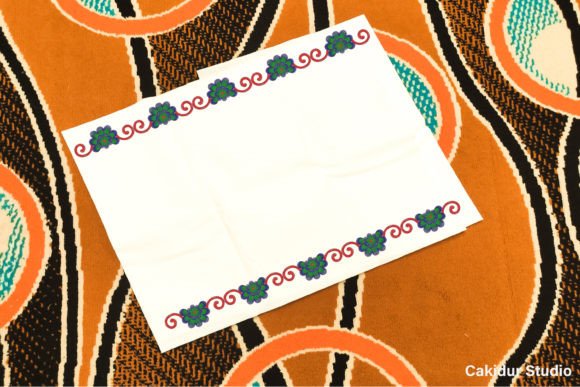
- Home decor and table linens: This is the obvious sweet spot. I sew a continuous border along the edges of cloth napkins, table runners, and even a set of placemats. The result is a cohesive holiday tablescape that buyers will pay a premium for because it feels personalized and intentional.
For personalized gifts, I often add a monogram or a single initial inside the floral border frame. That small tweak turns a standard linen pillow cover into a custom present with high perceived value. Customers love seeing their initials nestled among the leaves, and it increases average order value because people rarely buy just one.
Where to Use Border With Care
As enthusiastic as I am, no design works everywhere, and being realistic about limitations builds customer trust. For Border, the delicate floral arms demand mindful fabric selection and stitching strategy. Here is my caution list based on real testing:
- Small hoop sizes: If you try to squeeze this border into a 4x4 inch hoop, you will lose the sweeping flow that makes it special. Always check the hoop size requirement for each included file — the design likely needs a larger hoop to stitch the continuous frame without an awkward break. I recommend at least a 5x7 or even 6x10 inch hoop depending on the length you want.
- Tiny lettering or layered details: The floral elements themselves are well-outlined, but if you plan to add small text inside the border, be cautious. Tiny script can get swallowed by leaves on dark fabric or if the stitch density of the border is higher. Keep added text substantial and test first.
- Thick towels: I adore using this on kitchen towel embroidery, but a deep pile terry cloth can distort the fine petals. I switch to flat-weave cotton or linen towels, use a water-soluble topper, and float a medium-weight cutaway stabilizer to keep every line crisp. Without those steps, the flowers can look crushed after one wash.
- Dark fabric: The design relies on open spaces within the floral motifs. On black or navy, those negative spaces can disappear unless you use a thread color that contrasts boldly and consider an underlay stitch that fills slightly behind the petals. I’ve had success with a soft gold or white thread, but I run a test on the exact fabric batch before committing to a wholesale order.
- Metallic thread: For holiday embroidery, metallic gold or silver seems like an obvious choice. But metallic thread can be finicky and may snap or shred on the fine, curving lines of this design. Use a slower machine speed, a top-quality needle, and plan for extra thread changes. The result is stunning, but it’s not a production-friendly choice for large runs.
- Stretchy garments: Sweatshirt embroidery along a cuff or hem works beautifully if you stabilize aggressively. Without proper no-show mesh stabilizer and perhaps a basting spray, the border can pucker and wave as the fabric stretches. I always test-wear and wash one sample before offering it to customers.
- Curved caps: This border design is not suited for the steep curve of a baseball cap. The continuous horizontal line will distort and look forced. I avoid hats and stick to flat or softly curved surfaces.
- Repeated washing: Delicate satin stitches can start to fray or lose sheen after many laundry cycles. I reinforce my holiday embroidered patches or pillow covers with a soft backing and advise customers to wash in a gentle cycle inside out. For items that see heavy use, I might add a slight satin underlay to protect the top thread.
By sharing these precautions with customers, you position your shop as a knowledgeable expert. When they receive a finished product that holds up beautifully, they become repeat buyers and enthusiastic reviewers.
How Border Elevates Holiday Buying Psychology
During November and December, shoppers are not just buying objects; they are buying feelings. The Border machine embroidery design taps into the desire for comfort, tradition, and thoughtful giving. A pillow cover bordered with these flowers suggests a home filled with warmth. A kitchen towel adorned with it hints at holiday baking and family gatherings. That emotional pull translates directly into higher product value and giftability. I notice that my items featuring this design almost never need a sale; they get purchased at full price because the perceived romance and quality justify the cost.
Visual recognition is also crucial. When a returning customer spots that distinctive floral frame on my Etsy shop banner or my craft fair tablecloth, they instantly remember the last beautiful thing they bought. It builds brand consistency without me needing a logo front and center. The design becomes the quiet signature. I often use it as the common thread across a varied holiday collection: embroidered patches, framed monogram ornaments, tea towel sets, and even a decorative border on my handmade gift tags. This cohesion makes my small shop product line feel curated and intentional, exactly what a discerning holiday shopper wants.
Trust grows when your finished products look professional and well-thought-out. A border that aligns perfectly on a set of napkins tells the customer you care about precision. A thread color that complements the fabric rather than overwhelms it shows you understand design. In the online shopping space, where customers can’t touch the product, that trust is communicated through close-up photos and realistic mockups. I create printable mockup cards showing the border on a snowy linen backdrop to use in my holiday email campaigns, and the click-through rate always jumps.
Embroidery Designer Notes: Practical Testing and Commercial Use
Before adding any digital embroidery file to my permanent holiday lineup, I put it through a careful evaluation. Here is exactly what I recommend for Border to ensure profitable, stress-free production:
- Test thread colors on both light and dark fabric swatches. The design’s floral lines shift dramatically depending on the contrast. On light linen, a dusty blue thread looks ethereal; on black, that same blue might vanish. I always stitch at least two colorways and keep photos for my shop listing.
- Check stitch density on a sample run. While the file appears well-digitized, I never assume. I wash the sample twice, check if any threads raise or break, and look at the reverse side for dense overlaps that could irritate skin on a garment. So far, adjustments have been minor.
- Confirm hoop size and file format. The product description mentions multiple embroidery file formats, which is a time-saver. However, I make a note to open the files in my software before purchasing and confirm the exact hoop size needed for the continuous border I plan to stitch. I measure the design’s length and width digitally to ensure it fits my most-used hoops.
- Use proper stabilizer for the fabric texture. For woven fabrics like linen and quilting cotton, a tear-away stabilizer often suffices. For knits or anything stretchy, I switch to a cutaway stabilizer and add a water-soluble topper if the floral details sink into the weave. This simple switch prevents wavy borders.
- Create realistic mockups for your shop. Even before stitching the first physical piece, I digitally overlay the border on a photographed pillow cover, apron, or tote bag. These printable mockups save production time and let me list products for pre-order. They also help me test visual appeal before investing in inventory.
- Review small details after stitching. I hold the finished embroidery under a bright light and check for any missed stitches or odd jumps, especially where the vine curves. If I find a consistent flaw across runs, I note it and either adjust my machine tension or reach out to the digitizer if patterns suggest a file issue.
- Plan matching color palettes for the season. I build mini palettes of three to four thread colors that work together across all my holiday items. For December, it might be cranberry red, cream, pine green, and glittering gold. For spring, soft peach, ivory, and sage. Using the same palette across multiple products reinforced by the same border design creates a cohesive shop look.
- Confirm commercial embroidery rights before selling finished seasonal products. Never assume. I always review the license that arrives with the digital embroidery file. If the terms allow small business use for finished items sold in limited quantities, I’m good to go. If I plan to mass-produce for wholesale, I verify extended licensing. I also keep a copy of the license in my records, just in case.
A Border That Becomes a Brand Mark
After working with this design across multiple holiday seasons, I can say it’s one of those rare finds that acts as both a decorative element and a brand builder. It isn’t a loud, trend-driven graphic you’ll retire after one Christmas. It’s the quiet, elegant floral frame that turns an ordinary sweatshirt into a coveted custom piece, a simple tote bag into a popular market item, and a stack of plain kitchen towels into a signature gift set that returns customers every year.
For the Etsy seller looking to expand into holiday embroidery, the Border machine embroidery design offers flexibility, emotional appeal, and professional polish. Test it thoroughly, pair it with thoughtful packaging, and watch how shoppers respond to a design that feels both timeless and entirely gift-worthy. I’ve already mapped out my next collection built around this single, beautiful floral line — and I know the finished products will sell out before the season even starts.