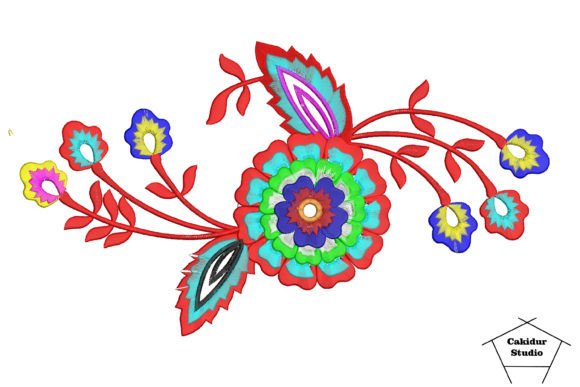
Lonely Flowers: An Elegant Embroidery Design for Branded Merch
First Impressions: Visual Personality and Brand Fit
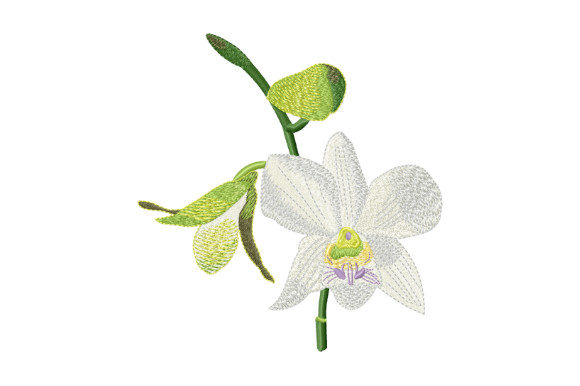
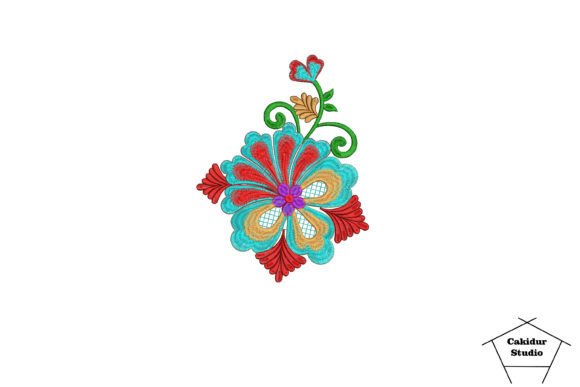
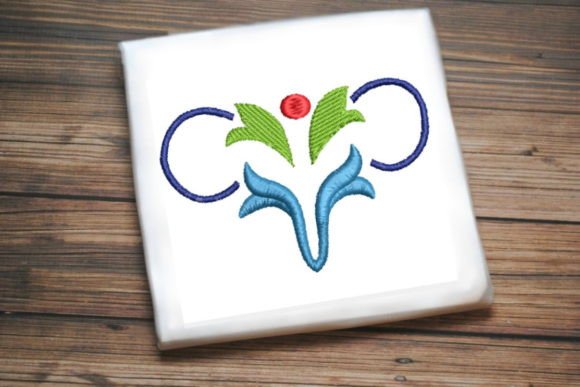
Opening the Lonely Flowers file, the first thing that strikes me is how it balances abstraction with natural movement. This is not an overly literal botanical rendering, but an elegant abstract floral motif that reads as intentional, organic, and softly sophisticated. As an embroidery designer who has digitized hundreds of assets for small business clients, I immediately recognize a pattern that can bridge the gap between decorative ornament and subtle brand punctuation.
The design falls under the Single Flowers category, but don’t let that limit your thinking. It works beautifully as a standalone focal point or as part of a larger brand system. For a café, boutique, florist, or pet brand looking to add warmth without shouting, Lonely Flowers offers a refined, approachable presence. It doesn’t scream corporate. It whispers craftsmanship. That makes it incredibly dangerous—in the best possible way—for brands that survive on trust and repeat customer relationships.
How Lonely Flowers Performs on Small Business Merchandise
When I evaluate any machine embroidery design for commercial use, I don’t just look at how it stitches out; I map it onto real-world business applications. Lonely Flowers invites that exercise enthusiastically. Its abstract structure and open spacing create opportunities rather than limitations.
Embroidered Patches and Apparel Accents
I stitched a test patch first. On a medium-weight twill backing with a satin-stitch border, Lonely Flowers turned into an embroidered patch that felt both modern and timeless. For a handmade soap brand, this patch could live on a canvas apron. For a creative studio, it would anchor a minimal hoodie sleeve. The floral abstraction means it doesn’t read as overtly feminine or masculine—it’s simply tasteful. That broadens its usability across unisex uniforms, work shirts, and customer-facing team apparel.
As a chest logo accent, it works wonderfully. Imagine a small bakery’s left-chest mark: the bakery’s name in clean lettering, with Lonely Flowers blooming subtly behind it as dimensional ornament. It gives hierarchy without clutter. The design’s background ornament nature means it reinforces rather than competes.
Aprons, Tote Bags, and Customer-Facing Textiles
This is where Lonely Flowers truly earns its keep. Apron embroidery often fails when the design is too dense or too literal. This pattern’s elegance comes from its airy composition. On a natural linen apron, stitched in a muted terracotta or deep olive thread, it offers a premium handmade product feel that customers photograph and share. Boutique owners take note: an apron with this design doubles as in-store branding and a sellable merchandise item.
For tote bag design, I tested placement large, bleeding slightly off the bottom corner. The result was a striking detail that elevated a plain organic cotton tote into a boutique-quality carrier. Etsy sellers and craft business owners can bundle such totes with purchase as customer gifts, instantly increasing perceived value. The design’s abstract nature also means it complements other design assets—a stamped logo, a hang tag, a tissue paper print—without clashing.
Caps, Sleeves, and Curved Surface Applications
Cap embroidery always introduces curvature and seam challenges. Lonely Flowers, with its organic outlines, forgives minor registration shifts on curved cap fronts better than rigid geometric logos. I recommend positioning it off-center or on the side panel for a contemporary streetwear look, or centering it low-profile on a dad cap for a quiet statement. Sleeve detail on work shirts or denim jackets is equally forgiving, provided the design is not scaled down too aggressively.
For event merch and seasonal pop-ups, this design’s color-change safety allows you to swap thread palettes to match limited-edition collections. A florist could stitch it in soft blush for spring, then transition to burnt orange for autumn, maintaining visual consistency while refreshing the product line.
Where Caution Pays Off – Sizing and Fabric Realities
No design is universal. Lonely Flowers rewards thoughtful placement and punishes blind scaling. As an experienced digitizer, I must stress that its detailed abstract structure can become problematic at small patch sizes. The intricate negative spaces and fine petal-like forms may close up or lose readability below 1.5 inches in width, especially if your stitch density has not been optimized for miniaturization. Before committing to a half-inch cap accent or a tiny lapel pin conversion, test thoroughly. If those applications are critical, discuss simplified stitch editing with your digitizer.
Curved surfaces like cap fronts and dense ball caps demand additional consideration. The needle can deflect on steep curves, and Lonely Flowers’ delicate connections between floral elements could distort. I strongly recommend a sew-out on the exact cap model before production, and consider increasing pull compensation slightly. For textured fabrics such as heavyweight canvas, fleece, or piqué, the design’s subtle details may sink. A sturdy stabilizer and a topping film are non-negotiable for crisp definition.
Dark uniforms pose a contrast challenge. Light thread colors will show every imperfection, so choose thread colors that have sufficient contrast without going pure white on black unless you are absolutely confident in your tension. A taupe, warm gold, or muted blush often reads as more intentional and less stark. And for items that need frequent washing—aprons and work shirts at a busy café—avoid overly long satin stitches that can snag. Test wash cycles at least three times to confirm durability.
Brand Identity Impact of This Abstract Floral Motif
Lonely Flowers affects brand identity in a way that hard geometry rarely achieves. It humanizes. Customers scanning merchandise at a maker’s market or scrolling an Etsy listing respond emotionally before rationally. An abstract floral motion on a product label or sleeve introduces a sense of care and artistry. That emotional layer builds customer trust and increases the likelihood of a purchase. I have seen embroidered details become the entire reason a customer remembers a brand’s name.
For a pet brand, Lonely Flowers stitched onto a bandana or a leash pouch communicates gentleness. For a florist, it reinforces the obvious. For a bakery, it suggests natural ingredients and a slow-made philosophy. Even a tech repair shop can use it to soften their visual identity without reducing professionalism. The design’s professionalism lives in its restraint—it is detailed but never gaudy. That restraint elevates product value: a plain tote is a utility item; a tote with a considered embroidered motif is a premium finished product.
Visual consistency across a product line matters more than most small business owners realize. Lonely Flowers, because of its abstract nature, reproduces well across multiple media: commercial embroidery on aprons, a water-based screen print on hang tags, a foil stamp on packaging. When a design asset works across touchpoints, your brand becomes instantly recognizable. Buyer engagement rises when people subconsciously sense that every detail has been intentional.
Embroidery Designer Notes Before Production
Every seasoned embroidery professional carries a mental checklist into a new project. Here are the practical steps I would take—and advise you to take—before sending Lonely Flowers into the world on behalf of a client or your own brand:
- Test in black and white first. If the design loses readability without color, it will fail on low-contrast fabrics. Lonely Flowers relies partly on spacing; a monochrome sew-out reveals any pathing or density problems.
- Check small patch size viability. Embroider the design at the smallest intended size on a scrap of the actual fabric. Inspect under natural and artificial light. If details fill in, ask your digitizer to open up gaps.
- Review thread color contrast carefully. Order color charts or do a thread run-off. A shade that looks elegant on screen can turn flat on fabric. The ability to safely change colors is a strength, but only if you test.
- Inspect spacing and pull compensation. The abstract floral elements need breathing room. Overly tight pull can warp the graceful curves. Fine-tune in your embroidery software before locking the file.
- Confirm your hoop size. The description does not specify required dimensions. Measure the design’s stitch area and ensure it fits comfortably within a standard commercial hoop—generally a 4x4 inch or larger frame for this level of detail. Don’t guess.
- Sew out on real fabric, not just backing. Canvas, denim, twill, and soft knits all behave differently. A perfect sew-out on cutaway stabilizer alone tells you nothing about how it will look on a linen apron.
- Use proper stabilizer. For likely applications like tote bags and caps, I lean on a medium cutaway for woven fabrics and a wash-away topping for plush surfaces. No stabilizer, no clean stitch.
- Create a printable mockup for client approval. Even an experienced eye benefits from a digital mockup placed on a photograph of the actual product. It aligns expectations and prevents rework.
- Compare the design beside other brand assets. If you already have a logo patch or a wordmark, stitch Lonely Flowers nearby and check for visual competition or harmony. The goal is amicable coexistence.
- Confirm commercial licensing. Without explicit terms in the product listing, you must investigate. Ensure the digital embroidery file is cleared for use on items you plan to sell, whether physical merchandise or printable mockup representations.
Final Takeaway for Your Small Business
Lonely Flowers is far more than a decorative pattern. It is a strategic embroidery file for small business merch that bridges elegance and versatility. I have seen countless designs come through my studio, and the ones that stand the test of time are those that adapt, enhance, and never distract. This single flowers design does all three when treated with respect. It demands proper hoop size consideration, stabilizer discipline, and honest testing, but the reward is a finished product that adds layers of meaning to uniforms, patches, caps, and customer gifts. Whether you run a boutique, a bakery, or a craft studio, Lonely Flowers can become a quiet signature that your customers recognize and trust. Stitch it thoughtfully, and it will repay you in brand equity.