Decorative Floral Blue Green Embroidery Design Review
First Impressions: A Delicate Floral With a Timeless Color Story
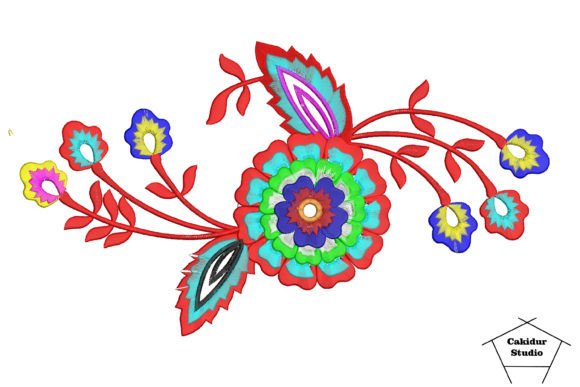
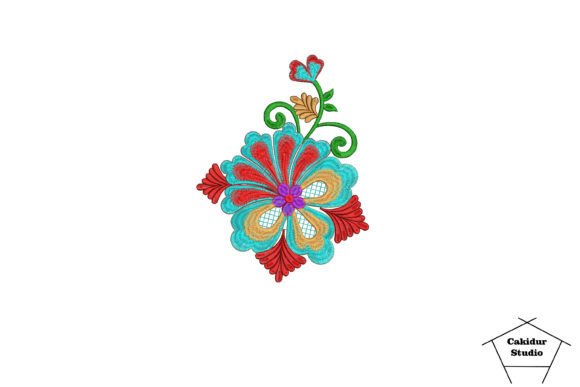
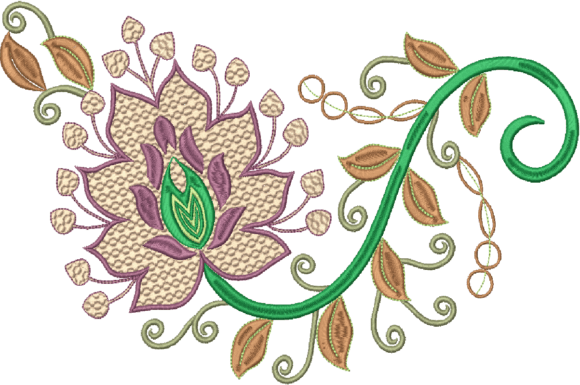
When I first opened the Decorative Floral Blue Green file from Creative Fabrica, I immediately understood why it sits in the Single Flowers category. The motif feels poised, feminine, and surprisingly versatile. The name hints at a blue-green palette, but as every embroiderer knows, thread color is your choice—the real test is in the linework, the layering, and how gracefully the petals flow into leaves and stems. Here, the composition reads like a stylized botanical sketch: gentle curves, soft points, and enough open space to let a textured fabric show through or to add a monogram later. For someone like me who builds batches of handmade products for Etsy and craft fairs, a design that looks elegant but doesn’t overwhelm a quick stitch-out is gold.
Where This Single Flower Design Shines in Real Projects
I evaluate every machine embroidery design through the lens of a real customer order. With Decorative Floral Blue Green, I can see at least a dozen solid applications right away. It isn't a sprawling scene; it's a focused single bloom, which makes it perfect for small-scale items that need a concentrated decorative hit.
- Tote bags and canvas pouches: Place it in the lower corner of a blank cotton tote for an instant boutique upgrade. The clean silhouette pops without competing with bag hardware.
- Sweatshirts and custom apparel: Centered on the chest of a crewneck or floated near the shoulder, this floral offers a soft contrast to knit textures. I'd test it first on a heavyweight fleece to gauge stitch definition.
- Kitchen towels and aprons: Floral motifs live comfortably here. A single stitch-out near the hem begs to be paired with a simple linen blend.
- Nursery decor and baby blankets: When stitched in pastel or muted threads, the design becomes a delicate accent on burp cloths, crib sheets, or a personalized baby blanket corner.
- Pillow covers and home linens: One bloom on a lumbar pillow or repeated in a monogram frame adds an understated handmade touch that photographs beautifully.
- Embroidered patches and caps: If the stitch density is generous but not rigid, this could easily become a sew-on patch or sit atop a structured cap front panel—provided you mind the curved surface.
Because it's a single flower, you don't need to commit to a full repeat pattern. You can pair it with text, combine it with other design assets, or use it as a standalone focal point. That flexibility matters when you're creating a cohesive product line.
Practical Performance: Fabric, Density, and Hooping Considerations
No embroidery evaluation is complete without addressing the mechanics. Without seeing the embroidery file digitizing directly, I rely on the universal truths that come from years of commercial stitching. Decorative Floral Blue Green likely uses a mix of satin stitch for petal outlines and fill stitch for broader leaf areas, but any designer should confirm the stitch density on the Creative Fabrica product page before committing to a run. A design that looks airy on screen can turn into a stiff patch if the density is too high; conversely, too light a density on a dark polyester fabric might let the base color bleed through.
Here's where real-world testing makes the difference:
- Dark fabrics: If you plan to stitch on black or navy denim, thread color contrast becomes critical. A design named for blue-green tones might need a white or cream underlay so the colors stay true. Always stitch a test swatch on your exact fabric.
- Stretchy fabrics: For a sweatshirt or baby onesie, use a cutaway stabilizer and consider a topper for plush textures. The floral's detailed petal tips could sink into a fleece nap without proper backing.
- Small hoop sizes: Check if the design fits a 4x4 hoop. Many single flower designs do, but if you enlarge it for a back panel, you'll need to confirm maximum dimensions. The hoop size compatibility is non-negotiable for production efficiency.
- Curved cap surfaces: Embroidering on a baseball cap front demands a slightly lower density and perfect hooping. The central flower might need to be flattened slightly in editing software if it's too tall for the cap frame.
- Layered details: If the design includes layered petals or intricately overlapping leaves, watch for trims and color changes that can extend stitch time. That's fine for a luxury handmade item, but it may slow you down on a 50-piece craft fair order.
Adding Perceived Value and Brand Consistency
One of the quiet superpowers of a decorative floral like Decorative Floral Blue Green is its ability to lift a simple blank into a handmade product that feels intentional. When I add machine embroidery to a blank tote, I'm not just decorating fabric—I'm building a story. This design reads as thoughtful, never mass-produced. That translates directly into buyer trust, especially on Etsy or in boutique settings where customers zoom in on product photos.
In my studio, I test how a design photographs before I list it. A floral with clean edges and a clear center looks crisp even under unflattering booth lights at a market. Printable mockups can help you pre-visualize, but nothing replaces a real stitch-out on the actual product material. If I'm selling a set of embroidered kitchen towels, using the same floral motif across the collection gives my brand visual consistency. Repeat customers begin to recognize that signature bloom.
Giftability gets a huge boost here. A personalized tote with a single flower and a name in script feels bespoke, and the finished product commands a higher price than a plain towel. For commercial embroidery and small batch production, this design is a workhorse — easy to combine, easy to recolour, and unlikely to date.
The Testing Routine I Follow Before a Full Production Run
No matter how lovely a design appears in the thumbnail, I always follow the same sequence before offering it to a client. Here's how I would approach Decorative Floral Blue Green for a real order, whether it's a single personalized gift or a stack of sweatshirt embroidery pieces.
- Check the Creative Fabrica product page thoroughly. Verify file formats (PES, DST, EXP, etc.), hoop size requirements, and stitch count. Look for any notes from the designer about fabric recommendations or resizing restrictions.
- Test stitch on a scrap of the exact fabric blend. If I'm aiming for 100% linen kitchen towels, I test on a linen scrap. Cotton canvas behaves differently than polyester twill, and I need to see how the stitching beds into the fibers.
- Experiment with thread color contrast. Even though the design is called Blue Green, I'll try it in terracotta, charcoal, or soft blush to see how the lines translate. A successful motif works across palettes.
- Compare light and dark fabric mockups. Stitch one sample on a pale oatmeal linen and another on a deep navy denim. Check if any fill stitch shows the background color through the thread.
- Adjust stabilizer and hooping. For a structured tote, a medium-weight tear-away might suffice. For a stretchy sweatshirt, I'd use a fusible no-show mesh cutaway and float the fabric if needed. Run a laundry test if the item will be frequently washed — you want that satin stitch outline to stay crisp after ten cycles.
- Inspect small details. Look at the petal points, the centers, any connecting running stitches. A stray jump stitch left untrimmed can ruin the whole look. If the design uses too many tiny stitches too close together, I might consider slightly enlarging it or adjusting density on my software.
- Check licensing terms. Before selling finished physical items, verify on the Creative Fabrica product page that the commercial embroidery license covers your intended use. This is a step I never skip.
Final Thoughts: Is This Design Worth a Place in Your Embroidery Library?
Decorative Floral Blue Green is the kind of digital embroidery file I would reach for again and again because it solves a real problem: it delivers elegance without overcomplication. As a Single Flowers embroidery design, it doesn't box you into a theme—you can dress it up for bridal, pare it back for a modern kitchen towel, or make it playful on a kid's sweatshirt. The design's strength lies in its decorative clarity, and I appreciate that it leaves room for personalization.
That said, this is not a "stitch and forget" asset for every surface. You need to be mindful of density, thread choices, and your stabilizer game. Before you commit to a 50-piece run for a craft fair, invest the time in one thorough test stitch. The product page on Creative Fabrica will give you the nitty-gritty details on file types and sizing, and only you can decide how it behaves on your go-to fabrics and machine. For handmade shop owners, Etsy sellers, and apparel decorators, this floral delivers a polished, professional look that can elevate a simple product into a cherished finished product. I'll certainly keep it in my library for those quick-turn personalized tote bag orders that need a touch of bloom.