Red Fence Border: A Designer’s Review for Small Business Merch
First Impressions of the Red Fence Border Design
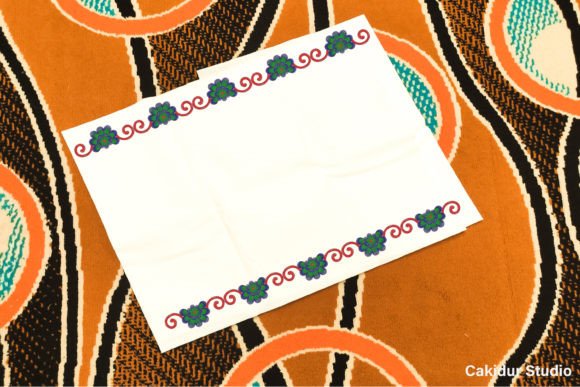
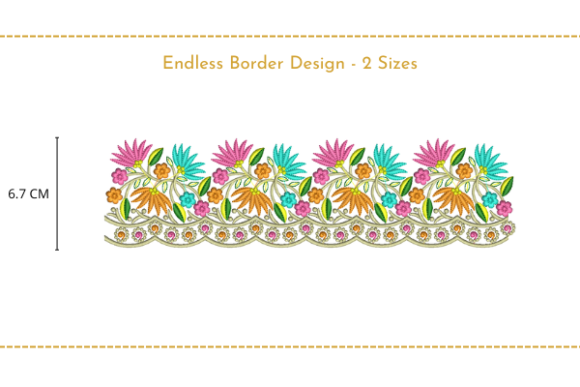
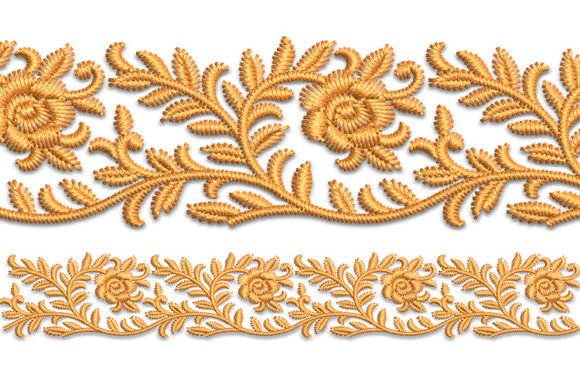
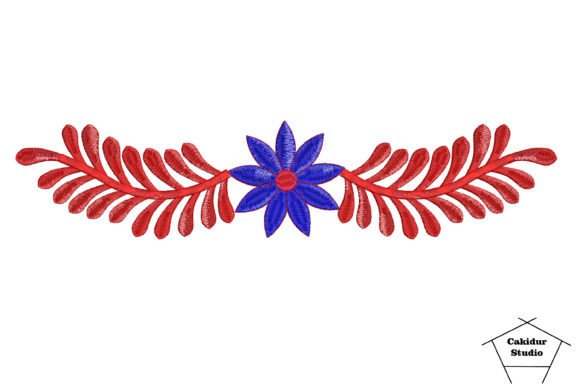
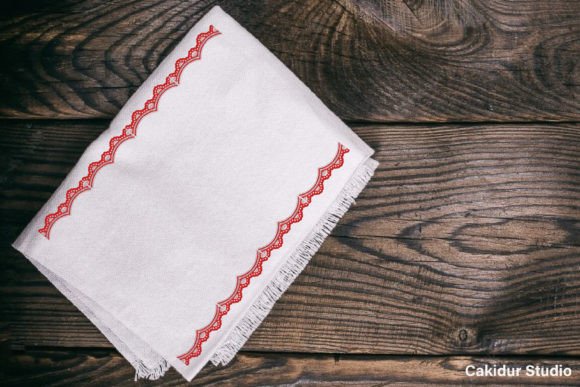
The moment I opened the Red Fence Border embroidery file, I saw a design that balances delicate abstraction with real commercial appeal. The description paints it as an abstract floral ornament, and that’s exactly the character this border carries. It’s not a rigid, formal motif; it reads as organic, slightly whimsical, yet structured enough to frame a logo or define an edge. For a small business, that balance is gold. I immediately imagined it on a café apron, a tote bag gusset, or even as the decorative band on a handmade product label. The “red fence” name suggests a nod to garden imagery, but the pattern itself feels more like a wandering vine of stylized petals — a touch that leans elegant and friendly without being overly feminine or seasonal. It would sit comfortably with a modern bakery, a plant shop, a rustic boutique, or a creative studio looking for a signature accent that whispers handcrafted rather than shouting for attention.
In my design evaluation, I always ask: does this pattern make a product look more intentional? The Red Fence Border does. Its line flow isn’t stiff; it has movement, which on fabric translates into a bespoke, high-value finish. The abstract nature means it won’t clash with a brand’s existing logo, but it will instantly elevate a blank textile into a piece of visual merchandising. That’s the sweet spot for small businesses wanting to stand out in crowded marketplaces like Etsy, craft fairs, or Instagram shop fronts.
How Red Fence Border Elevates Small Business Merchandise
When I think about branded merchandise, the goal is always to make a product feel cohesive, premium, and unmistakably yours. The Red Fence Border works as a powerful design asset because it transforms a plain item into a branded one without needing a massive logo. Think of a simple cotton tote: add this border running vertically along one side or framing a monogram, and suddenly that tote becomes a walking advertisement for your shop. It’s this kind of subtle, decorative branding that builds customer trust and recognition over time. A customer might not remember a blank apron, but they’ll remember the beautiful embroidered red floral detail that sets your staff apart.
I’ve seen similar border patterns used successfully on shirt yokes, sleeve cuffs, cap visor edges, and the hem of work aprons. For a small business like a florist or a plant nursery, the Red Fence Border stitched in a deep crimson thread across a canvas work shirt pocket screams both professionalism and personality. For a handmade soap or candle brand, incorporating this design onto fabric packaging wraps or reusable gift bags adds perceived value. It can even serve as the decorative frame on a custom patch, where your brand name sits inside the floral enclosure — a lovely alternative to a standard badge.
As a commercial embroidery digitizer, I pay close attention to how a design distributes stitches. An all-over border like this often allows for a lighter stitch density along the repeating motif, which helps garments drape nicely even after multiple washes. Provided the file was well-digitized, the Red Fence Border should sew out with a soft hand, making it ideal for apparel that benefits from comfort — t-shirts, cotton aprons, and lightweight tote bags. That’s a huge plus when you’re producing small business uniforms or customer merchandise that gets worn and washed frequently.
Real-World Application Scenarios
- Embroidered patches: The border can be stitched as a standalone oval or a linear patch shape that frames a brand name. It becomes a collectible item, perfect for Etsy sellers offering handmade sew-on patches.
- Staff uniforms: Use the design on apron bottom bands, shirt collars, or sleeve hems. It adds a premium hospitality look for cafés, bakeries, and boutique hotels.
- Caps and headwear: While a full border won’t fit most cap fronts, a shortened version curved along the side or back seam gives a subtle, stylish accent that sets a cap apart without overwhelming the face.
- Tote bags and canvas pouches: This is where the Red Fence Border truly shines. Running it along the top edge or down one side creates an instant designer feel. For product packaging, a small linen bag with the border can become part of the gift experience.
- Aprons and workwear: A domestic kitchen apron adorned with this border immediately signals a thoughtful, artisanal brand. It’s decorative enough to feel special but robust enough for daily use.
- Product labels and hangtags: If your business uses fabric tags, the border can be embroidered onto a small fabric piece and sewn into a seam — a beautiful, permanent brand marker.
Where to Use Caution: Sizing, Fabric, and Placement Tips
I always tell my clients that not every beautiful design translates perfectly to every surface. The Red Fence Border, because it involves a flowing, continuous pattern, will be most successful when there’s enough straight or gently curved area for the repeat to read clearly. Avoid wrapping it tightly around deeply curved cap fronts; the motif may distort. For cap applications, I’d test a shortened, re-digitized segment specifically aligned with the cap panel’s curvature.
At small patch sizes — say under 2 inches in height — the abstract floral elements might close up, losing the delicate openwork. I’d recommend using a printed or digital mockup first to check how the threads fill the space. Stitch density is critical: too dense and the fabric puckers; too sparse and the design looks fragile. Always request a sewout or create a test on the same fabric you’ll use in production, with the same stabilizer. A machine embroidery design like this will behave differently on a stiff canvas tote than on a soft jersey tee. Choose a cutaway stabilizer for knits to avoid distortion, and a tear-away for tightly woven cottons.
Thread color contrast is another factor. The name implies red, but you might choose a burgundy, rose, or even a copper metallic for a different brand mood. On dark uniforms, lighter thread will pop but any skipped stitches become glaring. On light fabric, a softer tonal approach can look incredibly refined. I strongly recommend testing the digital embroidery file in black and white first to check the design’s silhouette readability; if it holds up without color, it will be strong in any thread.
Brand Identity Impact of an Abstract Floral Border
Small businesses often underestimate the weight a single decorative element carries. The Red Fence Border is not just ornament — it’s a marker of consistency. When a bakery uses the same border design on their aprons, bread bags, and window display fabric, the visual language becomes unmistakable. Customers begin to associate that intricate red vine with quality and care before they even read the logo. That’s the essence of a strong brand identity: repeated, recognizable assets that build emotional recall.
For an Etsy shop or a maker brand, the border can serve as the unifying theme across all packaging, from cotton gift wrap to thank-you note envelopes. It evokes a handmade, artisanal spirit without feeling dated or overly traditional. The abstract nature keeps it modern; it won’t look like a Grandma’s doily, but rather a fresh, purposeful design choice. This boosts customer engagement because people love discovering these thoughtful details and often share them on social media, giving you free exposure.
Moreover, using one cohesive embroidered patch or border motif across your merch line elevates your product value. A simple tote bag with this border can be sold at a higher price point than a plain one, and a branded apron becomes a desirable item that employees and customers alike want to own. It’s a subtle shift from commodity to curated collection.
Practical Embroidery Designer Notes Before Stitching
Before you commit to a full production run, I recommend a few essential checks that many small business owners skip. These are the steps I take with every new embroidery file review:
- Test in black and white first. Load the design into your software and view it in monochrome. Does the composition hold together? Is the abstract floral flow clear without color? This tells you the fundamental strength of the digitizing.
- Verify small patch size viability. Shrink the design to your intended patch dimensions and examine the stitch points. If elements merge, you may need to simplify or ask the digitizer for a reduced-size version. Never assume a full-size border works at 1.5 inches.
- Review thread color contrast. I always sew a test section with the exact thread brand I’ll use. The red you see on screen might be a different shade on fabric due to lighting and texture. Order a physical color card if possible.
- Inspect spacing and underlay. The abstract floral ornament should have consistent spacing between petals. If stitches are too long, they’ll snag; too short and they pile up. Good digitizing balances these with appropriate underlay to stabilize the fabric.
- Confirm hoop size and stitch count. The Red Fence Border likely requires a specific hoop size to sew the continuous pattern. Check the supplier’s notes. If those details aren’t provided, reach out before purchasing. You don’t want a file that demands a hoop your machine can’t handle.
- Sew a full mockup on real fabric. Use the same fabric and stabilizer combination you’ll use in production. Don’t just test on scrap cotton; if your aprons are denim, test on denim. The fabric texture drastically affects the final look.
- Create a printable mockup for client approval. Even for your own brand, seeing the border placed on a digital shirt or tote mockup helps finalize placement decisions. It’s a low-cost way to avoid expensive mistakes.
- Compare beside other design assets. Lay your logo or text next to the border on screen. Does the style harmonize? A heavy, bold wordmark might overpower the delicate border, so you may need to tweak one or the other for balance.
- Check commercial licensing. Not all digital embroidery files permit use on merchandise for resale. Confirm that the license allows you to use the Red Fence Border on items you intend to sell, whether it’s patches, apparel, or promotional products.
Final Thoughts on the Red Fence Border as a Merch Asset
Having stitched hundreds of decorative borders over the years, I appreciate a design that feels generous without being cumbersome. The Red Fence Border gives you that — a versatile, ornament-like thread drawing that can transform a mundane business item into a showcase piece. It’s friendly enough for a children’s boutique, yet polished enough for a high-end florist. For anyone building a small business merch line, this embroidery asset sits squarely in the sweet spot of decorative branding: memorable, repeatable, and genuinely beautiful. Just remember to test, mockup, and respect the scale limitations, and you’ll have a reliable design that keeps your products looking hand touched and premium, stitch after stitch.