Wedding Ring Cushion Embroidery Design Review
First Impressions of a Heart-Shaped In-The-Hoop Keepsake
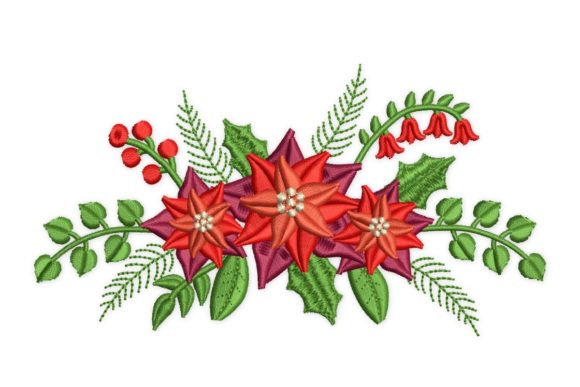
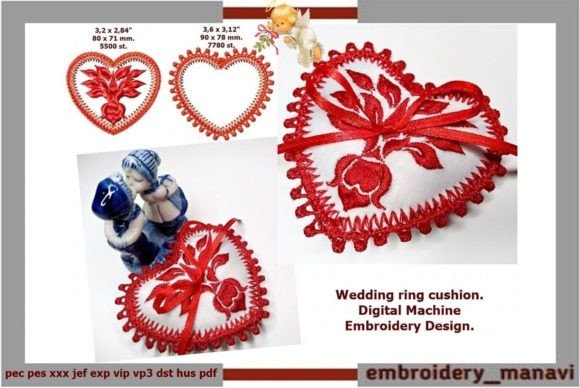
When I first previewed the Wedding Ring Cushion design on Creative Fabrica, I immediately saw its potential as a delicate, romantic addition to a handmade product line. The heart silhouette combined with a floral ornament creates a timeless decorative mood that feels intentionally soft rather than overly fussy. For embroidery designers who build collections around Wedding Designs, having an in-the-hoop cushion that looks both sentimental and well-finished right off the machine is a real asset. The visual weight of the floral details suggests a mix of satin stitches and fill stitches, which, when properly digitized, can give the finished piece a boutique feel without requiring hours of hand finishing.
My first thought was how naturally this could serve as a ring bearer pillow alternative, a wedding favour sachet, or even a keepsake ornament. The heart shape obviously speaks to bridal, anniversary, or Valentine’s gift markets, but the floral ornament softens it enough to also work for nursery decor or a simply elegant home accent. Without having seen every step file, the listing In The Hoop embroidery design tells me this is a multi-step project, so I would immediately want to know how many colour stops are involved and what the recommended hoop size is. The description hints at a decorative pillow, so the finished size and construction method will matter a lot for anyone planning to produce these in small batches for craft fairs or Etsy listings.
Visual Mood and Decorative Appeal
The Wedding Ring Cushion carries a romantic, heirloom quality that appeals directly to customers searching for something handmade and meaningful. The floral ornament gives it a slightly vintage botanical feel, while the heart shape keeps the silhouette clean and instantly recognizable. In product photos, this kind of design tends to photograph beautifully on light linen or crisp white cotton, using soft thread colours like blush, ivory, sage, or dusty lavender. As machine embroidery design projects go, it relies heavily on thread colour contrast and fabric texture to define its mood, so taking time to test on both light and dark fabric before committing to a final customer piece is non-negotiable.
For embroidery artists who offer digital embroidery file bundles, a design like this pairs naturally with other wedding-themed assets or monogram add-ons, even if the monogram is applied to a ribbon rather than stitched directly into the cushion. The decorative appeal isn’t limited to weddings. I can easily imagine a small version used as a lavender-filled drawer sachet, a baby shower favour, or a decor accent tossed onto a reading chair pillow. The versatility is there, provided the stitch density holds up on the intended fabric and the final size feels generous enough to feel like a gift.
Which Embroidery Projects Fit This Design Naturally?
The most obvious application for the Wedding Ring Cushion is a finished decorative pillow intended for wedding decor or gifting. As an in-the-hoop project, it’s meant to become a standalone stuffed object, so you won’t be using this as an applique for a sweatshirt or a cap. Instead, think in terms of completed handmade products: a ring bearer pillow, a small toss cushion for a bridal suite, a memento for the mother of the bride, or a heart-shaped ornament that can double as a pin cushion. Craft sellers who focus on Embroidery for home decor or seasonal gifting can easily position this as a bestseller for wedding season, Valentine’s Day, or Mother’s Day.
For someone running a commercial embroidery business, this design presents an opportunity to create a premium finished product with minimal material cost. You’re essentially stitching the outer shell and then adding stuffing. That means thinking carefully about backing fabric, closure methods, and any ribbon or trim loops you might want to sew into the seam during the in-the-hoop process. The design itself becomes the star, but the presentation—gift box, tissue paper, a small thank you card—can transform it into a high-perceived-value keepsake. I’d definitely consider offering it as a personalized gift by attaching a hand-stamped tag or embroidering a date on a separate piece of ribbon that slips through the top of the heart.
Real-World Embroidery Performance and Fabric Behaviour
Before dropping this into a client order, I’d run a few critical tests. In-the-hoop designs demand precision, especially when you’re closing seams and turning the piece right side out. The Wedding Ring Cushion in a heart shape means curves and points that can pucker if the stitch density is too high or if you use a stabilizer that’s too stiff. My go-to would be a medium-weight cutaway stabilizer for the front embroidery steps, then a tear-away for the construction steps, testing on a tightly woven cotton or linen blend first. Avoid anything too textured or loosely woven for your first attempt, because the floral ornament’s fine details might sink into the fabric and lose definition.
For dark fabric, thread colour selection becomes even more important. A design that looks crisp and airy on natural linen can turn muddy on charcoal or navy unless you boost contrast with lighter thread tones. I always stitch one sample on a scrap of the exact material the customer chose, photograph it in natural light, and compare it to a digital mockup. Printed or printable mockup images don’t always tell the full story, so physical swatch tests protect you from disappointing a buyer. And because this is a three-dimensional item that might be handled a lot at a wedding or squeezed into a gift bag, you’ll want to check seam strength and trim any jump stitches carefully before stuffing.
How Small Details Affect Product Value
When you sell a finished Wedding Ring Cushion, customers aren’t just buying a decorative item; they’re buying the promise of a lovely memory. That means the things we sometimes overlook—how the floral ornament’s vein stitches lay flat, whether the heart’s tip is crisp, if the cushion feels evenly stuffed—directly impact buyer trust and repeat sales. A satin stitch that’s too wide might snag on a ring or a dry finger, and fill stitch areas that are too dense can make the pillow feel stiff rather than plush. I’d pay close attention to any tiny lettering, though this design doesn’t appear to include text. If you plan to personalize it yourself outside the embroidery file, test that add-on separately to avoid a mishap that could ruin the entire piece.
For Etsy sellers and craft fair vendors, the visual consistency of the finished product contributes enormously to brand trust. If you list this cushion in blush, beige, and soft sage, each one needs to look equally well-stitched. That means documenting your thread brand and colour codes, using the same stabilizer every time, and following a standard stuffing method so the dimensions don’t vary. A heart that looks puffy in one batch and flat in another will confuse customers who expect the item they saw in a photo review. Consistency turns a single Creative Fabrica embroidery design into a reliable SKU in your shop.
Practical Considerations for Small Business Owners
If you’re building a handmade product line around wedding or home decor, the Wedding Ring Cushion fits neatly into that sweet spot between low material cost and high perceived value. One spool of thread and a quarter yard of linen can yield a cushion that retails for a meaningful margin. But you do need to factor in the time it takes to stop, trim, re-hoop, and stuff each piece. In-the-hoop designs sometimes look faster on the screen than they feel in production, so time yourself on the first complete run and decide if the sell price truly covers your labour.
Another angle: you can use this design to create a complementing product set. Stitch the heart cushion, then design or source a matching ring pillow box, a coordinating sash, or a miniature version for flower girl use. Bundling elevates the average order value, and a cohesive collection photographs beautifully for product listing images. Because the heart shape already carries strong emotional appeal, even a simple flatlay next to some dried florals and a velvet ribbon can make a product photo that stops a scrolling customer. This is where a printable mockup or a styled digital mockup can help you test layout ideas before committing to a full photoshoot.
Stitch Quality Checks and Recommended Testing
I never trust a new embroidery file straight into a customer piece. For the Wedding Ring Cushion, I’d follow a strict testing protocol. First, stitch the front panel by itself on a scrap of the chosen fabric with the same stabilizer, same thread brand, and same needle. Check for density: any puckering, thread breaks, or gaps around the floral ornament’s inner petals. Second, run the full in-the-hoop construction sequence on a single test unit. Inspect the seam allowance path. Is the closing seam narrow enough that it doesn’t eat into the decorative motif? Does the turning opening sit in an inconspicuous spot? Third, stuff it and hand-sew the opening. Squeeze it. Does the shape hold without distorting? If anything feels off, adjust hoop tension or stabilizer before cutting into your main fabric.
Also, remember that washing can affect an in-the-hoop cushion differently than a flat embroidery on a tote bag. Most people won’t toss a decorative pillow into a heavy wash cycle, but if a customer asks whether it’s washable, you need a confident answer. I’d recommend spot-cleaning for most fabrics, and I’d disclose that on the care tag. If you use a polyester thread and pre-shrunk fabric, the cushion can likely survive a gentle hand wash, but I’d never guarantee a machine-washable claim without extreme testing on at least five samples.
Creative Fabrica Details and Licensing
Before listing a single finished Wedding Ring Cushion on Etsy or at a boutique, spend a few minutes on the Creative Fabrica product page. Confirm the available embroidery file formats, the suggested hoop size, and the number of colour stops the designer used. Some ITH designs come with a PDF step-by-step, which can be a lifesaver if the file sequence isn’t intuitive. You don’t want to realize mid-project that a critical step expects a hoop size your machine doesn’t support, or that the design was digitized at a dimension that feels too small for a ring bearer pillow.
Equally important is checking the commercial embroidery license. The product description says Wedding ring cushion in a heart shape is intended for wedding decorations, home decor, and gifts, but the exact license terms on Creative Fabrica will tell you if you can sell finished physical products without extra fees, and whether there are any quantity restrictions. Because these details can change, I recommend reading the usage terms directly on the site. Don’t assume what you read in a review. Taking that short step protects your business and keeps your handmade product line compliant.
Elevating Your Handmade Line with the Wedding Ring Cushion
After evaluating the design from a real project perspective, I see the Wedding Ring Cushion as a strong candidate for embroidery designers who want to offer a finished keepsake that feels luxurious and heartfelt. The heart shape and floral ornament give it a universally appealing decorative quality, and the in-the-hoop construction means you can produce consistent, high-quality cushions without extensive sewing skills. For a small business owner, that’s a fantastic combination: a digital embroidery file that lets you turn a flat piece of fabric into a tangible, giftable object that customers perceive as truly handcrafted.
Whether you stitch these for spring wedding season, fill them with lavender for a Christmas market, or offer them as custom-colour keepsakes for new parents, the design gives you a flexible foundation. Just remember that your expertise in fabric selection, thread colour contrast, and stabilizer choice will make the difference between a cushion that looks mass-produced and one that looks like a thoughtful heirloom. Test thoroughly, document your best settings, and photograph the finished piece in a setting that reflects the story your customer wants to tell. That’s where the real business value lies.