Reviewing Floral Frame for Your Embroidery Projects
I’m looking at Floral Frame with an eye toward putting it into actual work. This isn't about abstract appeal; it's about how this embroidery file behaves when the needle starts moving, how it translates from screen to stitches, and what kind of final product it creates for my clients or my own craft business.
A First Impression: More Than Just a Pretty Border
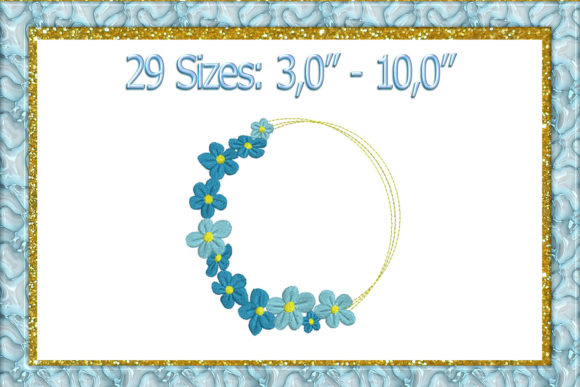
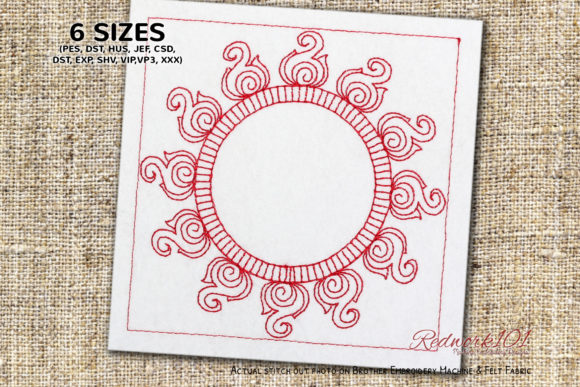
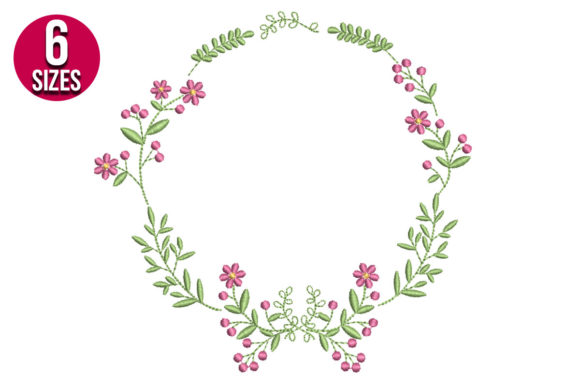
The immediate vibe of Floral Frame is classic and versatile. It's not overly fussy. The layout has a welcoming, open shape that naturally suggests its purpose: to embrace text or a central motif. This isn't a dense, chaotic floral wreath; it's a composed frame. That visual personality makes it feel adaptable—it could belong on a sophisticated wedding gift pillow cover or a cheerful personalized baby blanket. The detail level looks balanced, promising good stitch clarity without becoming a swamp of fill stitch that might intimidate on thinner fabrics.
Where Floral Frame Finds Its Natural Home
Let's walk through a real scenario. Imagine you're preparing a custom embroidered tote bag for a boutique client. They want a customer’s name framed elegantly. Floral Frame comes to mind immediately. Its structure provides a ready-made elegance that elevates a simple name into a branded, handmade product. On a heavyweight cotton tote, the design should hold its shape beautifully. Similarly, for an Etsy seller creating holiday gifts, this design could frame a date or a short quote on a premium tea towel or a linen pillow cover, adding significant perceived value with that finished, professional look.
It feels suited for projects where the embroidery is the star: personalized gifts, small shop merchandise like aprons or kitchen towels, and even custom apparel like the center of a sweatshirt or the back of a denim jacket. The open center is its greatest asset for creative entrepreneurs—it’s a blank canvas waiting for your or your client’s personal touch.
Performance on Actual Fabrics and Products
In practical use, the success of any machine embroidery design hinges on its behavior across different materials. For Floral Frame, I would prioritize testing it on the fabric I intend to use most. On stable, medium-weight fabrics like cotton twill for tote bags or quilting cotton for pillow covers, I anticipate it will perform reliably, provided stabilizer is used correctly.
- For custom apparel like t-shirts or stretchy sweatshirts, the stitch density and any potential for puckering need scrutiny. A test run on scrap fabric of the same type is non-negotiable.
- On dark fabric backgrounds, thread color contrast becomes crucial. The floral elements need to pop, so choosing a palette with enough luminance against, say, a navy cap or a black garment is key.
- For products needing frequent washing, like baby clothes or kitchen linens, the integrity of the stitches is paramount. A well-digitized design with secure satin and fill stitches should hold up, but again, testing validates this.
Careful Considerations: Where to Proceed with Caution
Every design has its optimal applications and its tricky ones. Floral Frame's beauty is in its framing nature, but that comes with considerations.
- Small hoop sizes: If the design is large, you must confirm the minimum hoop size required. For smaller items like caps or the corner of a baby bib, the full design might need scaling, which can affect detail clarity.
- Textured or thin fabric: A detailed corner or a dense stitch area within the floral elements could challenge delicate silks or loosely woven blankets. Proper stabilizer choice is doubled in importance here.
- Tiny lettering inside the frame: If you plan to put very small names or dates in the center, ensure the frame's scale doesn't overwhelm them or force you to use a tiny font that stitches poorly.
- Curved surfaces like caps: Framing designs can be fantastic on caps, but the curvature can distort a perfectly circular wreath. A test stitch on a cap blank is the only way to know.
The goal is to match the design's strengths to the product's reality. This avoids frustration and ensures customer trust in the final embroidered product.
The Impact on Your Business and Craft
Using a design like Floral Frame isn't just about making one item; it's about building a cohesive presentation. For a small business owner or an Etsy seller, consistently well-executed embroidery builds brand consistency. A clean, attractive floral frame on your product line of tote bags, aprons, and pillow covers creates a recognizable, professional look that customers engage with.
It enhances giftability—a personalized item framed so neatly feels special and thoughtfully made. For digital product sellers offering embroidery files, including realistic printable mockups that show Floral Frame in use (like on a sweatshirt or bag) helps buyers visualize its potential, increasing the value of your digital design assets.
Practical Notes from the Hoop
Before committing Floral Frame to a client project or listing it in your shop, here’s my standard checklist:
- Always stitch it out on scrap fabric first, ideally in both light and dark versions to judge thread color needs.
- Review the stitch density visually in the embroidery software; does it look balanced, or are there areas that might be too dense?
- Confirm the hoop size requirements and machine compatibility by checking the provider's details—these are not always obvious from a preview image.
- Inspect the small details, like the transitions between satin stitch and fill stitch elements, in your test stitch.
- Use proper stabilizer for your target fabric; don't guess.
- If you plan to sell the finished physical products or use it in commercial embroidery, confirm the licensing terms for the design file. This is a critical step for creative entrepreneurs.
Ultimately, Floral Frame presents itself as a reliable, versatile tool in the floral wreaths category. Its true value will be proven in your hoop, on your fabric, and in the hands of your customers. Approach it with this practical mindset, and it can become a staple in your embroidery project repertoire for creating beautiful, framed finished products.