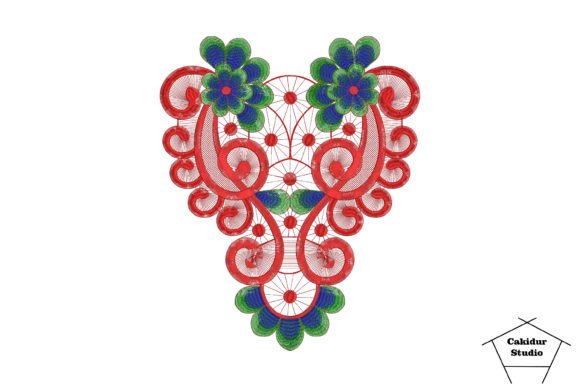
Floral Ceiling Lamp: Merch Branding Review
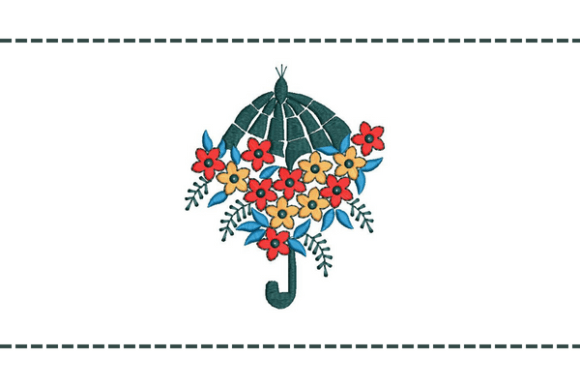
As a working embroidery designer, I review dozens of machine embroidery design files each month for small business clients. When I saw Floral Ceiling Lamp—an elegant abstract floral motif intended as background ornament—I immediately thought of branded aprons, subtle patch placements, and tote bag accents. This isn’t a loud logo. It’s a textured decorative layer that can quietly lift a handmade product or custom uniform. But how well does it really work when you move from screen to stitch? I tested the concept mentally, applying years of production reality, and here’s my honest breakdown.
First Impression: Elegant, Adaptable, but Play It Subtle
The Floral Ceiling Lamp pattern reads as refined and airy. It’s abstract, not a literal flower cluster, which gives it a modern premium feel. It avoids being overly rustic or cute—it leans classic and decorative. For a small business merch line, that’s a strategic asset. You could place it on a minimalist bakery apron or a boutique linen pouch, and it would not clash with an existing logotype. The description mentions you can safely change colors, and that’s vital. I’d immediately test tone-on-tone thread choices to keep the ornament integrated, not jarring. This isn’t a design that needs to scream; it’s a background layer that adds depth to a custom apparel piece.
Business Applications: Where This Motif Shines
One of the strongest uses for Floral Ceiling Lamp is the embroidered patch. Picture a small twill patch with this abstract floral stitched in a single rich thread color, then sewn onto canvas totes, denim jackets, or beanies. Because it’s meant as ornament, you can let the embroidery file fill a patch shape beautifully. I’d test it at around 2.5 inches wide; smaller than that, and the stitch density might turn the elegant voids into solid blobs.
Apron embroidery is another natural fit. A boutique coffee bar could use the motif across the bib of a chambray apron, positioned as a subtle textural badge. No words, just the ornamental pattern—customers notice that kind of attention. Similarly, cap embroidery can work if you isolate a small portion of the design. The curved surface demands you check hoop size and puckering. A full wrap of the floral motif might distort, but a centered front accent piece is achievable after a careful test on curved fabric.
Tote bag design with Floral Ceiling Lamp is where I’d invest heavily. A large-scale tone-on-tone stitch on a heavyweight cotton tote transforms a plain bag into a premium handmade product. For a florist, pet brand, or lifestyle studio, that bag becomes walking brand identity. The same logic applies to zip pouches, fabric labels, and even packaging wraps—an embroidered accent on a hangtag elevates the entire unboxing vibe.
Where to Be Careful: Size, Contrast, and Fabric Reality
All that elegance requires vigilance at the machine. The description calls this pattern “detailed,” and that means you must respect scale. At very small patch sizes—under 2 inches—the stitch density can choke the design. Before you commit to a bulk run of commercial embroidery, stitch one sample at the final size on the exact fabric texture you’ll use. Canvas, denim, knit polo, and twill all behave differently, and a design that looks perfect on linen may pucker on jersey.
Dark uniforms demand extra care. A light thread on a black polo might lose the abstract shapes if outlines aren’t prominent enough. I always test a new digital embroidery file in black and white first. Print a printable mockup on paper to see if the silhouette reads clearly. If it turns into a vague blob, the brand message dissolves. In that case, consider adding a thin satin stitch outline in a contrasting color—if the file structure allows—or choose a thread with a subtle sheen.
Frequent washing is another factor. Staff aprons or work shirts get laundered constantly. The fine background ornament of Floral Ceiling Lamp could snag or pill if you skip proper stabilizer choice. For stretchy uniforms, I’d use a quality cut-away backing; for sturdy tote bags, a tear-away might suffice. Don’t guess—test and wash the sample repeatedly.
Brand Identity and Customer Trust Through Thread
Well-executed embroidery signals permanence and intentionality. When a barista wears an apron with Floral Ceiling Lamp as a subtle accent, the customer reads it as care. It’s not a giant logo; it’s a quiet nod to a cohesive brand identity. Over time, that visual consistency builds recognition. A bakery that uses the same abstract floral on sleeve details, pastry box liners, and thank-you notes creates a tactile signature. That’s how small business merch becomes memorable.
For Etsy sellers and handmade brands, this motif can be the differentiator. A linen jewellery pouch with a delicate embroidered ornament communicates handmade product value better than a printed card ever could. The texture alone invites touch, and that tactile engagement turns browsers into buyers. However, never skip the client mockup step. Use a printable mockup to simulate the final finished product on a product photo. It prevents unrealistic expectations and shows you value professional process.
Practical Designer Checklist: Before You Thread the Needle
Whenever I prepare an embroidery file like Floral Ceiling Lamp for a commercial run, I follow a strict sequence. Use this list to avoid expensive re-dos.
- Stitch the design in black and white thread on a neutral cotton scrap first. This reveals any hidden density issues and proves the fundamental shape.
- Test at the smallest size you plan to use—say 1.5 inches for a patch. Check if open spaces remain; if not, enlarge or simplify.
- Experiment with thread colors. The abstract nature thrives with tonal, variegated, or even metallic threads for luxury lines. Avoid harsh contrasts that break the ornament flow.
- Confirm hoop size. A 5x7 hoop might hold much of the pattern, but always measure the design’s actual stitch field before committing.
- Match stabilizer to fabric texture. Use cut-away on knits, tear-away on woven tote bags, and a water-soluble topper on textured towels or fleece to prevent stitches sinking.
- Create a printable mockup with the embroidery positioned on a real product shot. Present it to clients for approval—this step has saved me from countless revisions.
- Compare the embroidered sample against your other design assets. The Floral Ceiling Lamp motif should complement your logo, hangtags, and packaging, not fight them.
- Double-check commercial licensing. The product description is cut off, so reach out to the provider if there’s no clear statement on commercial embroidery use. Never assume.
- Log every thread brand, color code, and stabilizer type. Repeat orders need identical results.
Is Floral Ceiling Lamp Right for Your Brand?
From a designer’s eye, Floral Ceiling Lamp earns a place in any brand library that values understated elegance. It won’t replace a bold logo; it’s a supporting actor. Use it as a background ornament on aprons, as an embroidered patch on tote bags, or as a delicate sleeve accent. Change thread colors to align with your palette, but always test first. The pattern’s beauty lies in its airy abstract quality, and that lives or dies by proper scaling and stabilizer use.
I’d recommend this digital embroidery file to creative studios, florists, boutique cafés, and artisan brands that value texture over text. If your business personality is clean, modern, and a touch romantic, Floral Ceiling Lamp will feel like it was designed for you. Just don’t skip the sample stitch—the golden rule of machine embroidery design remains unchanged. When you get it right, the final product will whisper quality without saying a word.