Dashing Flowers Embroidery Design: A Business-First Review
First Impressions: Cozy Artistry Meets Bold Brand Potential
As an embroidery designer who has built branded merchandise for boutique coffee roasters, pet accessory lines, and handcrafted skincare studios, I never judge a machine embroidery design by its preview image alone. The name Dashing Flowers hints at a spirited personality, and the description promises a cozy, artistic feel that works on pillows, bedsheets, clothes, and home decor. That duality — cozy yet dashing — is exactly what many small businesses need. A design that feels warm enough for a neighborhood bakery but polished enough for a premium candle brand.
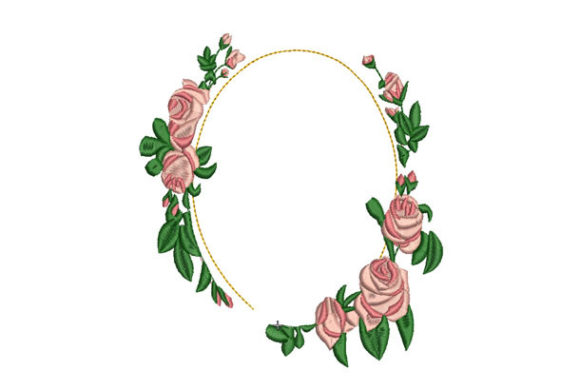
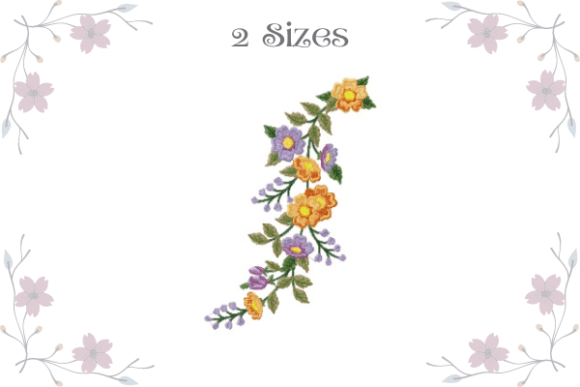
Visually, this floral wreath clearly belongs in the Floral Wreaths category, but it likely carries a hand‑drawn, slightly whimsical energy. I’d expect organic petal shapes, playful leaf placement, and an overall flow that feels less like a rigid frame and more like a carefully gathered bouquet. That artistic character is a huge asset for brands wanting to stand out without looking corporate.
In my experience, a design like this can bridge the gap between rustic charm and modern elegance. It doesn’t scream “country living” or “wedding only.” Instead, it whispers creative confidence. For a small business owner, that’s the kind of visual voice that builds recognition across an entire product line.
Embroidered Patches That Tell a Story
Imagine a coffee shop that wants to move beyond disposable sleeve prints. An embroidered patch featuring Dashing Flowers sewn onto canvas aprons or denim work shirts becomes a tactile, permanent brand mark. Patches can be stitched onto tote bags, caps, or even the inside pocket of a handmade jacket as a signature detail. The floral motif softens the utilitarian feel of workwear, making staff look approachable and the brand feel inviting.
Staff Uniforms and Aprons
One of my favorite placements is the upper chest or sleeve of a barista apron. A compact version of Dashing Flowers works beautifully as a monogram alternative. The artistic flower shapes create an instant connection — customers associate the design with craftsmanship and care. For a florist’s pinafore or a potter’s studio coat, it reinforces the handmade narrative without a single written logo.
Caps, Tote Bags, and Everyday Brand Carriers
On a structured cap, a small Dashing Flowers accent on the side panel or just above the brim’s curve adds a lifestyle twist. On a natural cotton tote, the design becomes a walking advertisement. Because a floral wreath naturally draws the eye inward, it can beautifully frame a business name or stand alone as a recognizable symbol. It turns a blank carrier into a conversation starter.
Product Packaging and Surprise Gifts
Small businesses often overlook the power of a stitched touch on product packaging. A tiny embroidered daisy or a simplified blossom from the design can be applied to fabric gift wraps, ribbon accents, or reusable drawstring bags. For customer appreciation events or Etsy shop orders, a mini patch version of Dashing Flowers tucked into the package adds perceived value and a handwritten feel that stickers can’t match.
Practical Embroidery Considerations for Professional Results
No design goes straight from a digital embroidery file to a finished product without thorough testing. Here’s what I always do — and what you should do — with any floral wreath design like Dashing Flowers.
- Stitch density check: Artistic designs can sometimes pack too many stitches in fine petal details. Test on a medium‑weight cotton first to watch for puckering. Adjust underlay if needed.
- Thread color harmony: If the design uses multiple greens and pinks, ensure contrast stays distinct on your chosen fabric. A dusty blue tote might mute delicate hues; a white apron can wash them out. Always run a thread color sample on the actual fabric.
- Hoop size reality: A full wreath may need a 130x180mm hoop or larger. If you only have a 100x100mm area, you might need to split the design or reduce it drastically. Confirm the embroidery file’s intended hoop size before purchasing.
- Stabilizer discipline: For apparel that will be washed frequently, I use a quality cut‑away stabilizer. For tote bags with a loose weave, a tear‑away with a light fusible topping prevents registration shifts.
- Black‑and‑white test: Stitch a single‑color outline version to see if the design’s silhouette holds up. A strong silhouette means even low‑contrast placements on packaging inserts will read well.
Where to Exercise Caution with Dashing Flowers
No single design fits every surface. Dashing Flowers, with its inviting personality, still demands strategic decision‑making.
- Small patch sizes: A tiny 2‑inch patch might lose the delicate petal definition. I’d test at 3 inches and above, or consider simplifying elements for ultra‑small placements.
- Cap fronts and curved surfaces: The brim’s arc can distort a circular wreath. I often shift such a design slightly toward the center seam or use it on the side panel where the fabric stays flatter.
- Dark uniforms: If your brand works with black or charcoal aprons, ensure the design file includes a light underlay or outline that pops. Without it, deep purple blossoms might vanish.
- Textured fabrics: Fleece, terry cloth, or heavily slubbed linen can blur fine stitching. For those, I increase the design size and choose thicker thread to keep the shapes intact.
- High‑frequency washing: If the merchandise will go through commercial laundry cycles, use polyester thread and lock down all trims. A dense satin stitch on leaf outlines might fray if not properly secured.
Dashing Flowers and Your Brand Story
Brand identity isn’t just a color palette; it’s the feeling a customer gets when they touch your product. Dashing Flowers brings a tangible sense of coziness and artistry. For a bakery, it whispers “fresh from the garden.” For a pet brand, it suggests warmth and gentle care. For a boutique clothing label, it reads as a limited‑edition artisan mark.
When I place this design on a custom apparel piece, I’m not just adding thread — I’m giving the fabric a story. Customers recognize that story. They notice when a sleeve or a bag carries an embroidered mark instead of a plastisol print. It builds trust, raises perceived value, and makes the finished product feel truly handmade. Over time, that small floral mark becomes a silent brand ambassador.
If you’re building a visual merchandising kit, pair Dashing Flowers with a printable mockup to show clients how their logo will look beside the design. This step alone can increase commission approvals and pre‑orders, because people invest in what they can clearly imagine.
Final Verdict: A Worthwhile Asset for the Right Business
Dashing Flowers isn’t just another floral embroidery. It’s a creative embroidery design with the potential to unify a small business merchandise line, from aprons to tote bags. Its cozy, artistic character suits a range of commercial embroidery projects, especially for brands that lean into authenticity. Before buying, confirm the file includes multiple embroidery formats (the description hints at several), and always ask about commercial licensing if you plan to sell the embroidered finished product.
My recommendation? Stitch a sample, try it on three different fabric textures, compare it beside other design assets in your library, and see how your brand’s name nestles inside or beside it. If the composition holds and the stitch density respects your substrate, you’ve found a design that can serve as a loyal workhorse for your brand identity.
Great embroidery doesn’t just decorate — it communicates. Dashing Flowers has the voice. The rest is up to your needle, your thread choices, and the care you pour into every piece that leaves your studio.